At Camp Ruff It, we see all kinds of dog-to-dog introductions every day—and just like people, not every pup hits it off right away. While some dogs instantly become best buds, others may feel unsure or overwhelmed. Understanding the subtle (and not-so-subtle!) ways dogs show stress can help us all create safer, happier playgroups.
Here are 7 common signs your dog might be stressed during a new doggy meet-and-greet:
1. Lip Licking (When There’s No Food Around)
If your pup is licking their lips during a greeting, they might not be hungry—they’re likely nervous. This is a classic stress signal dogs use to try and calm themselves or diffuse tension.
2. Turning Their Head or Body Away
A dog who angles their body or turns their head away from another dog may be saying, “I’m not sure about this” or “Please don’t come any closer.” It’s a polite way of showing discomfort without escalating the situation.
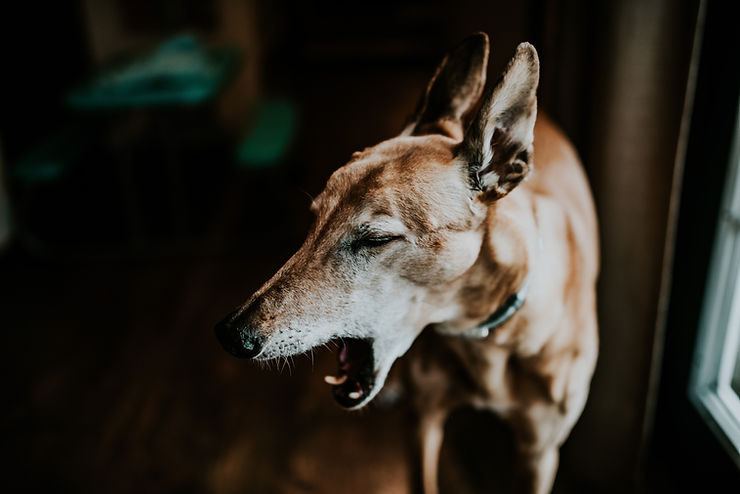
3. Yawning (Out of Context)
Sure, dogs yawn when they’re tired—but they also yawn when they’re anxious. If you notice big yawns during introductions, especially in a high-energy setting, your dog may be trying to self-soothe.
4. Tucked Tail or Low Posture
A tail held low or tucked under the body, or a crouched stance, usually signals fear or stress. This dog is not feeling confident and might be trying to avoid conflict.
5. Freezing in Place
A dog that suddenly stops moving and freezes isn’t just being still—they might be overwhelmed or unsure how to proceed. Think of it like a doggie version of “deer in headlights.”
6. Excessive Sniffing or Displacement Behaviors
If your dog suddenly becomes very interested in the grass or turns away to sniff the air, they might be trying to redirect their anxiety. This is a way to de-escalate the situation and avoid direct confrontation.
7. Growling or Air Snapping
These are more obvious signs of stress—but they’re still communication! A growl doesn’t always mean aggression—it could be your dog’s way of saying, “I’m not comfortable right now.” It’s a cue to give them space.
Why It Matters at Camp Ruff It
Our team is trained to recognize these signs and make sure every pup feels safe and respected. We carefully manage introductions and monitor body language to help dogs build positive relationships at their own pace.
When dogs feel heard and understood, they’re more likely to relax and enjoy camp to the fullest!